How to Avoid Bank Fees: The 30-Minute Bank Fee Audit
Most people have no idea how much their bank charges them. The fees arrive quietly — $12 here for a monthly maintenance charge, $3.50 there for an out-of-network ATM, $35 for a single overdraft — and because each one looks small, nobody adds them up. The direct answer to how to avoid bank fees is simple: run a 30-minute audit of your last 12 months of statements, total what you actually paid, and fix each fee at its source with a waiver, an alert, or a switch. This guide walks you through that audit step by step, with a worked example that takes a $318 annual fee bill down to zero.
TL;DR: Download 12 months of bank statements, highlight every fee, and add them up — most beginners find $150 to $400 a year. Then score each fee: ask your bank to waive one-off charges, set low-balance and ATM alerts to prevent repeats, and switch accounts only if the fee cannot be waived or avoided. Do the audit once a year and the savings repeat every year.
What Is the 30-Minute Bank Fee Audit?
The Bank Fee Audit is a five-step worksheet, not a vague promise to “spend less on fees.” You gather one year of statements, list every fee you paid, total the damage, and decide the fate of each fee. The whole exercise takes about half an hour because the statements already contain every number you need.
Why 12 months instead of one? A single month hides seasonal fees — paper statement charges, annual fees, and the odd wire transfer may appear only a few times a year. Twelve months gives you the honest annual number, which is the number that motivates action.
Here are the five steps in order:
- Pull 12 months of statements for every checking and savings account you use.
- List every fee, the month it appeared, and what triggered it.
- Total your annual fee bill, fee by fee and overall.
- Score each fee as Waive, Avoid, or Switch.
- Fix each fee with a call, a setting, or a new account.
Step 1: Pull 12 Months of Statements
Log in to your bank’s website or app and download statements for the last 12 months. Most banks keep at least 18 to 24 months of statements online, and you can usually download them as PDFs.
Where Fees Hide on a Statement
Fees rarely sit in a neat section labelled “fees.” They appear as line items among your transactions, often with short codes such as “MNTC FEE,” “OD FEE,” “ATM WD SURCHG,” or “PAPER STMT FEE.” Search each PDF for words like “fee,” “charge,” and “surcharge,” and highlight every hit. If your bank’s app has a search function, filtering by “fees” can surface most of them in seconds.
Decode the Fee Names Before You Judge Them
A fee you do not understand is a fee you cannot fix. “OD protection transfer” moves your own money from savings for a few dollars, while an “OD item fee” is the bank covering a shortfall at around $30 per item. If a code is unclear, check your fee schedule or call and ask — then write the plain-English meaning next to each fee.
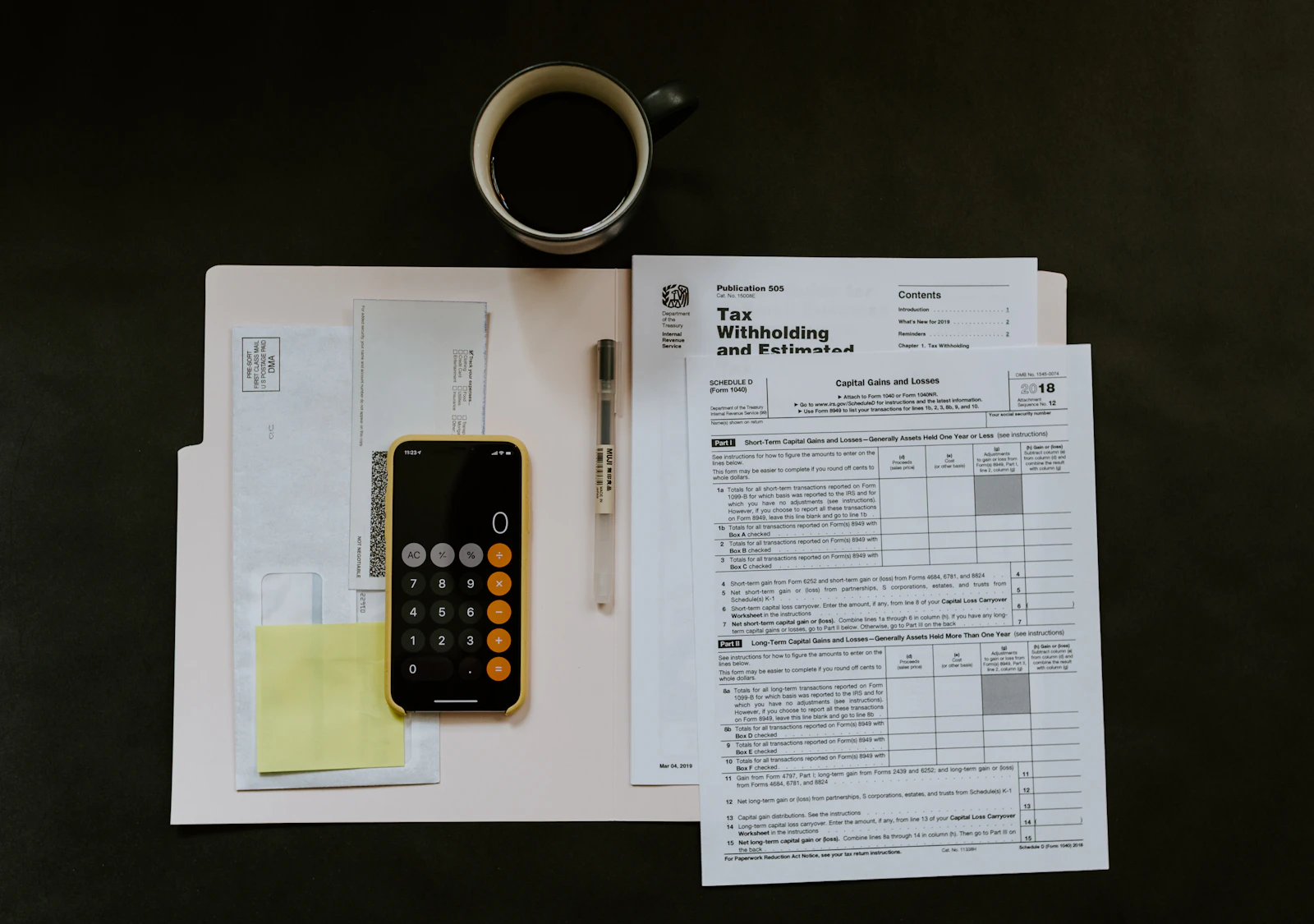
Step 2: List Every Fee and What Triggered It
Build a simple table with four columns: fee name, trigger, times charged, and total paid. The trigger matters more than the amount, because the trigger is what you will change. A $12 monthly maintenance fee triggered by “balance below $1,500” has a different fix than the same $12 triggered by “no qualifying direct deposit.”
These eight fees show up most often in a beginner’s audit; your bank’s fee schedule is the final word on your exact amounts.
| Fee | Common trigger | Typical cost |
|---|---|---|
| Monthly maintenance fee | Balance or direct deposit below the waiver threshold | $5–$15 per month |
| Out-of-network ATM fee | Using another bank’s ATM (your bank’s fee plus the operator’s surcharge) | $2.50–$5 per withdrawal |
| Overdraft fee | Bank covers a transaction above your balance | $25–$35 per item |
| NSF / returned-item fee | Bank declines a check or payment for lack of funds | $15–$35 per item |
| Paper statement fee | Receiving printed statements by mail | $1–$5 per month |
| Foreign transaction fee | Card purchase in another currency | 1%–3% of the purchase |
| Wire transfer fee | Sending money by wire instead of ACH | $15–$30 domestic |
| Stop-payment fee | Cancelling a check or scheduled payment | $20–$35 |
Do not skip small fees: a $3 paper statement charge is $36 over 12 months, and it is the easiest fee on this list to kill.
Step 3: Add Up Your Annual Fee Bill
Add each fee column to get two numbers: what each fee cost you over the year, and the grand total. This total turns an abstract annoyance into a concrete amount you can decide to keep or reclaim.
Here is a realistic worked example. Maya, a beginner with one checking account, ran her audit and found this:
| Fee | How often | Annual total |
|---|---|---|
| Monthly maintenance fee ($12) | 12 months | $144 |
| Out-of-network ATM ($4.50 average) | Twice a month | $108 |
| Paper statement fee ($3) | 12 months | $36 |
| Overdraft fee ($30) | Once in the year | $30 |
| Total | $318 |
Adding it up: $144 + $108 + $36 + $30 = $318. Maya’s real annual fee bill is $318. That is the point of writing the numbers down instead of guessing: the math does the talking, and $318 a year is $26.50 a month leaving her account for nothing she values.
Your number may be lower or much higher. Either way, you now own it, and the next step decides what happens to each line.
Step 4: Score Each Fee — Waive, Avoid, or Switch
Every fee on your list gets one of three verdicts. This decision step is what turns the audit from a report into a result.
| Verdict | When to use it | Example |
|---|---|---|
| Waive | A one-off or first-time fee, or a fee charged despite your good history | Call and ask for the $30 overdraft fee back |
| Avoid | A repeating fee with a setting or habit that prevents it | E-statements kill the paper fee; in-network ATMs kill the surcharge |
| Switch | A fee you cannot waive or avoid because the account itself does not fit you | A $12 monthly fee you can never meet the waiver for |
Score conservatively: “Avoid” beats “Switch” whenever a free setting solves the problem. Reserve “Switch” for fees that survive both a waiver call and a settings fix — our five-day switch checklist covers moving deposits and payments without missing a bill.
Step 5: Fix Each Fee, One by One
Call and Ask for a Waiver
Banks waive one-off fees more often than beginners expect, especially for customers with a clean history. Keep the call short and factual. A script that works:
“Hi, I noticed a $30 overdraft fee on my statement dated [date]. I have been a customer since [year] and this is my first overdraft. Could you please waive this fee as a courtesy?”
If the first representative says no, thank them and ask whether a supervisor can review it. If the fee is a monthly maintenance charge you keep paying, ask a different question: “What exactly do I need to do to have this fee waived every month?” The answer tells you whether “Avoid” is possible — a direct deposit, a minimum balance, or a set number of debit transactions — or whether the account is simply a bad fit.

Set Alerts and a Buffer
Most repeat fees are timing problems, not money problems. A low-balance alert set $100 above zero gives you time to move money before an overdraft happens. Two settings prevent most expensive fees:
- Low-balance alerts by text or email at a threshold that leaves you time to act.
- A small buffer — $50 to $200 you treat as untouchable — so a forgotten subscription cannot tip you below zero.
- Overdraft choice review: decide whether debit-card and ATM overdraft coverage is even turned on. If it is off, the card simply declines instead of charging you, which is free. Read our guide to avoiding overdraft fees for the full rundown of these settings.

Switch Only If the Math Says So
Compare on one number: the new account’s expected annual fee for your actual habits, not its advertised headline. An account with “no monthly fee” but a $3.50 ATM charge is worse for a weekly random-ATM user than a $5 monthly account with free ATM access. If you are comparing account types, our checking-versus-savings breakdown explains which account each kind of money belongs in before you move anything.
The Fee-by-Fee Playbook
Once your audit is done, these are the fixes that work for each fee, in the order most beginners should try them.
Monthly Maintenance Fees
Find the waiver rule in your fee schedule and meet it on purpose. Common waiver routes are a qualifying direct deposit, a minimum daily balance, or a set number of monthly debit transactions. If your income or balance cannot reliably meet any of them, this fee is a “Switch” verdict — an account with no monthly fee, often at an online bank or credit union, is the honest fix.
ATM Fees
Use your bank’s ATM locator before you travel, and get cash back at grocery or pharmacy checkouts when you already pay by debit — most retailers charge nothing for it. Withdrawing a larger amount once a week instead of small amounts several times also cuts the count directly.
Overdraft and NSF Fees
These are the most expensive fees on the list and the most preventable. Opting out of debit-card and ATM overdraft coverage means the transaction declines instead of costing $30. Linking a savings account as backup usually costs far less per transfer than a full overdraft fee. And sequencing matters: schedule automatic bills for after payday, not before, so a paycheck delay cannot cascade into three fees in one week.
Paper Statements, Foreign Transactions, and Wires
Switch to electronic statements — the fee disappears and statements arrive faster. For foreign spending, use a card with no foreign transaction fee and always choose to pay in the local currency rather than accepting the merchant’s conversion. For sending money, use ACH, bill pay, or a person-to-person transfer for routine payments and reserve wires for genuinely time-sensitive transfers.
What $318 a Year Really Costs You
A fee is not just the fee. Money paid to a bank is money that cannot grow. If Maya keeps her $318 a year instead and it earns a modest 4% in a savings account, the ten-year difference is striking:
| Year | Fees paid if nothing changes | Value if kept and earning 4% |
|---|---|---|
| 1 year | $318 | $318 |
| 5 years | $1,590 | $1,723 |
| 10 years | $3,180 | $3,820 |
That is $640 of growth on top of the $3,180 saved, from one 30-minute audit repeated once a year.

Your Bank Fee Audit Worksheet
Copy this checklist and work through it once, then repeat it every 12 months or whenever you open a new account:
- Download 12 months of statements for every account.
- Highlight every fee line and decode any fee codes you do not recognise.
- List each fee with its trigger, frequency, and annual total.
- Add up your grand total annual fee bill.
- Score each fee: Waive, Avoid, or Switch.
- Call about every one-off fee and ask for a courtesy waiver.
- Turn on e-statements, low-balance alerts, and in-network ATM habits.
- Review your overdraft coverage choice and your linked backup account.
- Switch accounts only for fees that survive the waiver call and the settings fix.
- Set a calendar reminder to repeat the audit in 12 months.
Frequently Asked Questions
What is the most common bank fee?
The monthly maintenance fee is the most common, charged on roughly half of non-interest checking accounts, though overdraft fees generate the most total revenue for banks.
Can my bank charge fees without telling me?
No. Banks must disclose their fees in the account agreement and fee schedule before you open an account, and overdraft and NSF terms must be disclosed clearly before you opt in to coverage.
Can I really get a fee waived by calling?
Often, yes, for a first-time or occasional fee — banks routinely grant courtesy waivers to customers with a clean history. A fee that repeats every month is less likely to be waived repeatedly — that is when “Avoid” or “Switch” applies instead.
Should I switch banks if fees keep showing up?
Maybe. If the fee cannot be waived and no setting prevents it, the account does not fit your habits and a switch is rational. Compare on your actual annual fee total, and move deposits and payments carefully so no bill is missed.
Are online banks really cheaper on fees?
Usually, yes — online banks and credit unions tend to charge fewer and lower fees because they run fewer or no branches. The trade-off is in-person service and cash deposits — but if most of your banking is already digital, the fee savings are usually decisive.
Conclusion: Run the Audit This Week
Bank fees survive on inattention. Thirty minutes with a year’s statements turns them from background noise into a number you can shrink — first by asking, then by changing a setting, and only if necessary by changing banks. Maya’s $318 did not need a new income or a new budget; it needed one afternoon of reading what her bank had already written down.
Start tonight: download your statements, find your number, and fix your biggest fee first. If you want more beginner-friendly money systems like this one, subscribe to the HopProg newsletter, and read more about who we are on the About page. Questions about this guide? Reach us through the Contact page.
Disclaimer: This article is for education only and is not financial advice. Fee amounts vary by bank and account, so always confirm your own fee schedule before making account changes. Read our full Disclaimer.
Further reading: a credit-union guide to common banking fees, Money Fit’s bank-fee guide, and a fee-by-fee avoidance checklist.