Your credit card statement arrives, and your eyes go straight to one number: the amount owed. That number matters, but it is the least useful number on the page. The numbers that actually save you money are buried further down: the interest you were charged this month, the APR behind it, and the small warning box that quietly tells you how long minimum payments will keep you in debt. This guide shows you how to read a credit card statement in five minutes with the Statement Decoder, a simple three-number audit that turns a confusing monthly bill into a clear action plan.
TL;DR
- The Statement Decoder finds three numbers in five minutes: interest charged, APR, and the minimum-payment warning payoff time.
- Pay the statement balance in full by the due date if you can — that is how you usually avoid interest on purchases.
- The minimum payment keeps the account current; it is not a payoff plan.
- Statement balance and current balance differ: the statement balance is fixed at the closing date, while the current balance keeps changing.
- Run the red-flag checklist monthly: unknown charges, duplicates, missing refunds, surprise fees, and promo end dates.
What a Credit Card Statement Actually Is
A monthly snapshot, not a live balance
A credit card statement is a summary of one billing cycle, usually about a month long. It lists what you owed at the start, what you spent, what you paid, any interest and fees, and what you owe at the end. Your banking app shows the live picture, including purchases made after the statement closed.
Why issuers must send it before the due date
By law, issuers must generally deliver your statement at least 21 days before the payment due date. That window is your review time, not just a countdown.
Paper or online — the sections are the same
Whether your statement arrives by post or as a PDF in your banking app, it carries the same core sections: account summary, payment information, transactions, interest and fees, and notices.
The 5-Minute Statement Decoder
Open your latest statement and find three numbers, in this order.

Step 1 — Due date and statement balance
Find the payment due date first, then the statement balance. The due date is the deadline for at least the minimum payment. The statement balance is the total owed when the billing cycle closed. If you want to avoid interest on purchases, the statement balance is the number to pay in full by the due date, provided your card has a grace period. Our guide to the grace period explains when that window applies.
Step 2 — Interest charged and APR
Next, find the interest charged this month and the APR (annual percentage rate) for purchases. Interest charged is what borrowing cost you this month, in dollars. If the interest line is anything other than zero, you carried a balance and paid for it. The Consumer Financial Protection Bureau explains what APR means and how issuers calculate interest.
Step 3 — The minimum-payment warning
Finally, find the minimum payment and the warning box near it. Many statements show two estimates: how long payoff takes if you pay only the minimum, and how much it costs in total, compared with a fixed amount over three years. That box turns an abstract APR into a concrete timeline.
A Sample Statement, Line by Line
Here is a worked example using round, illustrative numbers. Match each line to your own statement.
| Statement line | Example amount | What it means |
|---|---|---|
| Previous balance | $1,840.00 | What you owed when this cycle started |
| Payments and credits | -$300.00 | What you paid last month, plus any refunds |
| New purchases | $640.00 | Everything you charged this cycle |
| Interest charged | $28.50 | The cost of carrying last month’s balance |
| Fees charged | $0.00 | Late, annual, or other fees this cycle |
| New (statement) balance | $2,208.50 | What you owe at the closing date |
| Minimum payment due | $51.00 | The smallest payment that keeps the account current |
| Payment due date | November 25 | The deadline for at least the minimum |
Check the arithmetic yourself: $1,840 minus $300 plus $640 plus $28.50 equals $2,208.50.
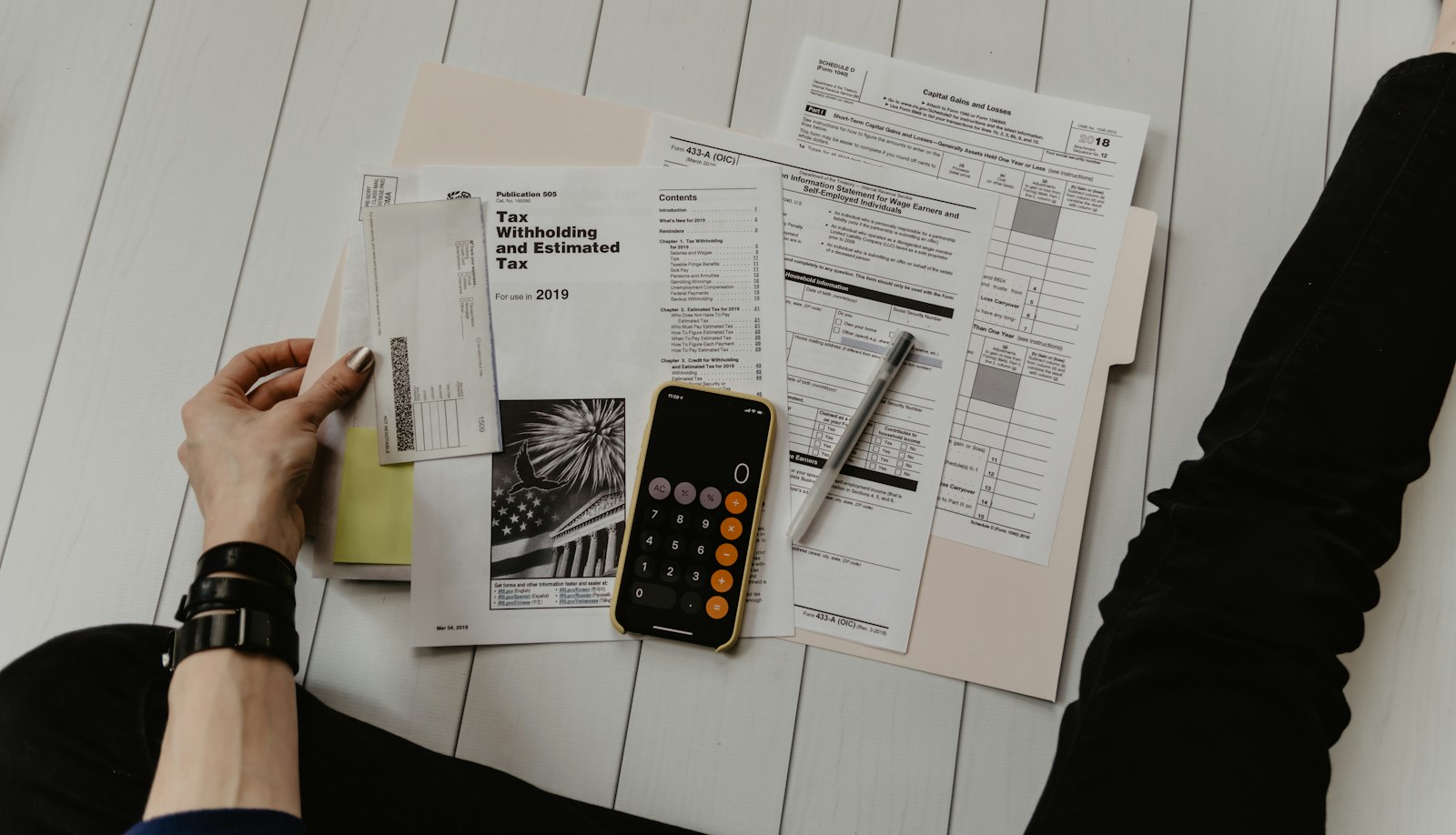
The account summary tells the story
The account summary at the top of the statement is the whole month in miniature. If the new balance jumped unexpectedly, this section tells you why: more purchases, a missed payment last month, or interest and fees stacking up.
The transaction list is where errors hide
Scan every transaction, not just the total. Look for merchant names you do not recognise, duplicate charges, and refunds that never appeared. Merchant names on statements often differ from shop names, so check the amount and date against your receipts before assuming fraud.
Interest, fees, and APR live in their own section
Statements usually break out interest by balance type: purchases, balance transfers, and cash advances can each carry a different APR. Cash advances almost always cost more and usually have no grace period. Annual fees, late fees, and balance transfer fees appear here too.
Credit limit and available credit
Your statement also shows your credit limit and how much credit remains available. A balance that sits close to the limit raises your credit utilization, the share of available credit you are using, which can affect your credit score.
Rewards and notices are easy to miss
Many statements include a rewards summary and a notices section at the end. Notices carry the changes that matter most: APR changes, fee changes, promo rate end dates, and billing-error instructions. A 0% promo ending next month belongs in your calendar, not buried in fine print.
Five Confusions, Decoded
Statement balance vs current balance
The statement balance is fixed at the closing date. The current balance includes everything since, including new purchases and payments. If you check your app mid-month, the current balance will look higher than the statement balance — that is normal, not an error.
Closing date vs due date
The closing date ends the billing cycle and fixes the statement balance. The due date, roughly three weeks later, is when your payment must arrive. Purchases made after the closing date belong to next month’s statement.
Minimum payment vs statement balance
The minimum payment keeps the account current. The statement balance is what you actually owe. Paying only the minimum avoids a late fee, but interest keeps accruing on the rest. Our explainer covers how minimum payments are calculated.
APR vs interest charged
APR is a yearly rate. Interest charged is the dollar amount for this month. Issuers usually calculate interest daily on your average daily balance, which is why it rarely equals a neat APR-divided-by-12 figure. Paying earlier in the cycle usually lowers the average daily balance and therefore the interest.
Pending vs posted transactions
A pending charge is authorised but not final, so it may not appear on your statement yet, while a posted charge is final and counts toward it.
What the Minimum-Payment Warning Really Costs
This table uses the sample statement balance of $2,208.50 at a 22% APR, assuming no new charges, a fixed APR, and a typical minimum formula of monthly interest plus 1% of the balance, with a $25 floor.
| Payment plan | Monthly payment | Time to pay off | Total interest | Total paid |
|---|---|---|---|---|
| Minimum only | Starts at $51, shrinks as balance falls | About 12 years (147 months) | About $2,938 | About $5,147 |
| Fixed $125 a month | $125 every month | About 22 months | About $485 | About $2,694 |
| Fixed $200 a month | $200 every month | About 13 months | About $282 | About $2,491 |
The difference is stark: the fixed $125 payment clears the same balance roughly ten years sooner and saves about $2,450 in interest compared with minimum payments alone.

How to pick your fixed payment
Start with an amount you can sustain every month, even in a tight month. A fixed payment beats a heroic payment you abandon after two months. If $125 is too much right now, pick $75 and review it after three months. And if your APR feels punishing, you can ask your issuer for a lower APR — it costs nothing to ask.
The Red-Flag Checklist
Run this checklist over every statement before you pay it. Any “yes” gets an action the same day.
| Red flag | Likely explanation | Action |
|---|---|---|
| Charge you do not recognise | Unfamiliar merchant name, or fraud | Check receipts first, then contact the issuer |
| Duplicate charge | Merchant error | Contact the merchant, then the issuer if unresolved |
| Refund missing | Return processed late | Allow a few days, then follow up with proof |
| Surprise fee | Late fee, annual fee, or cash advance fee | Call the issuer and ask for the reason in writing |
| Promo rate ending soon | 0% period expiring | Plan payoff before the standard APR applies |
| APR increased | Variable rate rise or penalty APR | Check the notice section and ask why |

Unknown charges: check, then call
Before reporting fraud, check whether the merchant name matches a purchase under a parent company name, and whether another cardholder on the account made the charge. If it is still unexplained, contact your issuer promptly — statements include billing-error instructions and deadlines.
Fees and rate changes deserve a phone call
A fee you do not understand is a question, not a verdict. Issuers sometimes reverse a first late fee for a customer with a good payment history. Even when the fee stands, the call tells you the rule so you can avoid it next month.
Your Monthly 5-Minute Routine
Turn the Decoder into a habit with this repeatable routine, ideally within a few days of each statement arriving.
- Step 1: Note the due date and set a payment reminder two days before it.
- Step 2: Read the statement balance, interest charged, APR, and minimum-payment warning.
- Step 3: Scan every transaction and mark anything unexplained.
- Step 4: Check fees, promo end dates, and notices for changes.
- Step 5: Choose your payment — statement balance in full if possible, otherwise a fixed amount above the minimum — and schedule it.
- Step 6: File the statement or save the PDF, so next month’s comparison takes seconds.
That routine also builds a useful record. Three months of statements show your real spending pattern and your real interest cost. If the interest line keeps growing while the balance barely moves, that card needs a payoff plan, not another month of minimums.
What to Do When Something Is Wrong
If a charge is wrong, follow the billing-error instructions on the statement and contact the issuer in writing as well as by phone, keeping copies of everything. Note the date, the person you spoke to, and any reference number. The CFPB’s credit card key terms page explains the language issuers use.
FAQ
What is the difference between my statement balance and my current balance?
Your statement balance is what you owed when the billing cycle closed. Your current balance adds everything since then — new purchases, payments, interest, and fees. The statement balance is the amount to pay in full by the due date to usually avoid interest on purchases; the current balance is simply the live total.
Should I pay the minimum payment or the full statement balance?
Pay the full statement balance whenever you can, because that usually avoids interest on purchases if your card has a grace period. Paying only the minimum keeps the account current but leaves interest accruing, and as the table above shows, it can stretch a $2,208 balance into roughly 12 years of payments. If full payment is impossible, pay a fixed amount above the minimum and keep it fixed.
Why does my interest charge not match APR divided by 12 times my balance?
Issuers usually calculate interest daily on your average daily balance, not on the closing balance alone. Your balance changes during the cycle as purchases post and payments arrive, and different balance types carry different APRs. That is why the charge rarely equals a simple monthly fraction of the statement balance.
What should I do if I see a charge I do not recognise?
First, check receipts and whether the merchant name could be a parent company or an abbreviated name, and ask other cardholders on the account. If it is still unexplained, contact your issuer promptly and follow the billing-error instructions on your statement — our guide explains how to dispute a charge step by step.
Does reading my statement affect my credit score?
No. Reviewing your statement, checking your app, or calling your issuer does not affect your score. What affects your score is what the statement reveals: payment history, the balance reported, and your credit utilization. Reading the statement is how you catch the things that do matter.
Conclusion
A credit card statement stops being intimidating once you know where the three important numbers live. The Statement Decoder takes five minutes: due date and statement balance, interest charged and APR, and the minimum-payment warning that shows the true cost of paying slowly. Run it every month, act on the red flags, and choose a fixed payment instead of drifting on minimums. If this guide helped, join our newsletter for one practical personal finance guide each week, and learn more about who we are on our about page. Questions? Reach us through our contact page.
This article is for education only and is not financial advice. Interest calculations in the examples are illustrative, assume a fixed APR and no new charges, and will differ from your own card’s terms. Always check your cardholder agreement and statement for the rates, fees, and deadlines that apply to you. Read our full disclaimer here.